What Happens to Your Body After a Workout
After a workout, your body shifts into recovery mode. Muscle fibers that were stressed during exercise begin repair, glycogen stores in your muscles and liver are partially depleted, and you may have lost fluids through sweat. The body also works to reduce inflammation and clear metabolic byproducts. Proper nutrition after training supports these processes, helping you bounce back faster and be ready for your next session.
The intensity and duration of your workout influence how much recovery you need. A short, moderate session may not require much more than your regular balanced meals, while a long run or heavy lifting session creates a greater demand for protein, carbohydrates, and fluids. Understanding this baseline helps you decide how structured your post-exercise eating should be.
Sources: Nutrients (MDPI) via PubMed Central
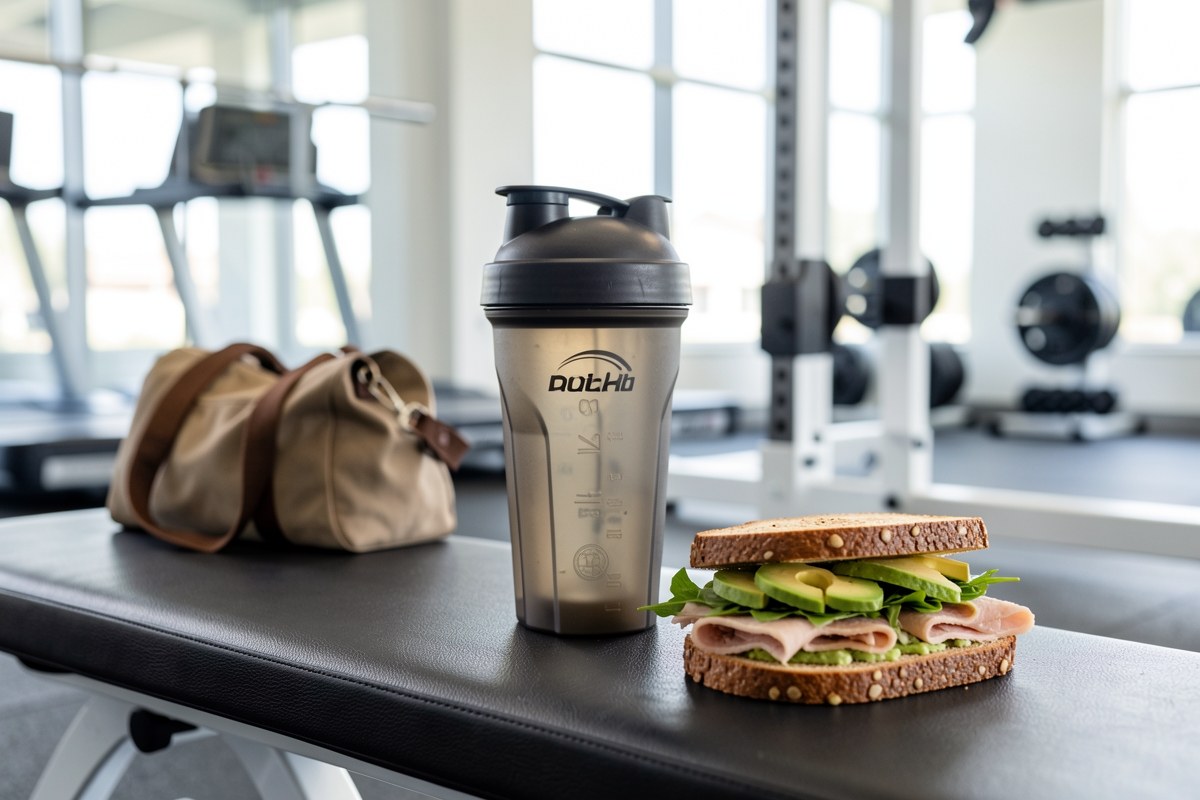
Key Nutrients: Protein, Carbohydrates, and Fluids
Protein provides the amino acids your muscles need to repair and rebuild. The International Society of Sports Nutrition (ISSN) recommends roughly 20 to 40 grams of high-quality protein after exercise, or about 0.25 grams per kilogram of body weight, to maximally stimulate muscle protein synthesis. That protein should include a good amount of leucine—about 700 to 3,000 milligrams—along with the full set of essential amino acids.
Carbohydrates replenish the glycogen you used during exercise. For athletes who train heavily, a daily carbohydrate intake of about 8 to 12 grams per kilogram of body weight helps maximize glycogen stores. For an individual session, the exact amount you need depends on the length and intensity of the workout and how soon you’ll train again.
Fluids are equally important. Replacing water lost through sweat is critical for recovery. The American College of Sports Medicine suggests drinking 20 to 24 ounces of fluid for every pound of body weight lost during exercise. If you were well hydrated before training, plain water is usually sufficient; for longer or more intense sessions, a sports drink can help replace electrolytes as well.
Sources: Nutrients (MDPI) via PubMed Central, Different Health, Orthopedic & Sports Medicine Institute
Ideal Timing for the Post-Workout Meal
The classic advice is to eat protein and carbohydrates within 30 minutes to two hours after exercise to maximize muscle protein synthesis and glycogen replenishment. This timing is especially relevant if you train multiple times a day or have another session within about a day.
However, recent research suggests that strict adherence to this so-called anabolic window may not be necessary if your total daily protein intake is adequate. If you ate a balanced meal a few hours before training, the amino acids from that meal are still circulating in your blood, giving you more flexibility. In that case, eating quality protein within a couple of hours of training is a reasonable target, and it becomes more useful if you trained fasted or your last meal was many hours earlier.
Sources: Nutrients (MDPI) via PubMed Central, Different Health
Foods That Combine Carbs and Protein
Many practical post-workout meals combine protein and carbohydrates in one dish or snack. Good options include grilled chicken with rice and vegetables, Greek yogurt with berries and granola, eggs with toast and fruit, and salmon with potatoes and greens. For a plant-based choice, tofu or tempeh stir-fry with rice works well.
Recovery foods that are popular among athletes include turkey sandwiches, pasta dishes, rice bowls with vegetables and beans or chicken, banana with low-fat chocolate milk, whole-grain crackers with peanut butter, and smoothies made with yogurt and frozen berries. These options supply the protein and carbs your body needs, and many are easy to prepare in advance.
Sources: Different Health, Orthopedic & Sports Medicine Institute, Berry Street
Simple Prep-Friendly Post-Workout Meals
Batch cooking and planning meals ahead can ensure you have a nutritious post-workout meal ready when you need it. For example, you can cook a large batch of chicken breasts, rice, and roasted vegetables on the weekend and portion them into containers for the week. Or you can prepare a big bowl of quinoa salad with chickpeas, chopped vegetables, and a lemon-tahini dressing, which stays well in the fridge for several days.
Other make-ahead ideas include egg muffins with spinach and cheese, turkey and cheese roll-ups with whole-grain crackers, and overnight oats with protein powder and berries. These items are simple to assemble and can be stored for quick access after training.
Sources: UK Sports Institute, Berry Street
Shake and whole food: pros
Protein shakes are convenient and quickly absorbed, making them a popular post-workout choice, especially when you're on the go. They are particularly useful if you don't have time for a full meal or can't stomach solid food immediately after exercise. Whey protein, in particular, digests quickly and is rich in branched-chain amino acids.
Whole foods, however, provide additional nutrients that a shake lacks, such as fiber, vitamins, and minerals. They generally take longer to digest—often two to three hours—which can be beneficial if you want to feel full and satisfied. Many experts suggest that a protein shake is not a requirement; a meal of protein and carbohydrates is sufficient for most people. You can also combine the two: have a small shake right after training, then follow up with a balanced meal later. Choosing between a shake and whole food often comes down to convenience, tolerance, and your overall diet.
Meals lower in fat (around 15 grams or less) tend to digest faster, which can be helpful if you have a short window before your next activity. However, including some fat is generally fine, and there is limited evidence that fat intake after a workout reduces the benefits. A balanced approach that fits your preferences and schedule is likely best.
Sources: Different Health, NutriFitt, Future, TODAY.com
Sample Post-Workout Meal Prep Ideas
Here are a few meal prep ideas that combine protein and carbohydrates and can be prepared in advance. These are meant as general guidance, not strict recipes. Adjust portions to your energy needs and training load.
For a chicken and quinoa bowl, you might cook chicken breasts with a simple spice rub, prepare a batch of quinoa, and roast a mix of bell peppers and zucchini. Divide into containers and refrigerate. This meal provides lean protein, complex carbohydrates, and vegetables.
Another idea is a turkey and sweet potato skillet. Brown ground turkey with onions and garlic, add cubed sweet potatoes and a little broth, and cook until tender. Portion into containers for a hearty, balanced dish.
If you prefer a no-cook option, consider jars with Greek yogurt, berries, and granola. Layer the ingredients in jars for a quick grab-and-go breakfast or post-workout snack.
For a dairy-free option, try a lentil and vegetable stew with brown rice. Lentils provide protein, and the vegetables add fiber and micronutrients.
Remember to drink plenty of water alongside your meals, especially if you've sweated heavily. The key is to have a plan so you aren't scrambling after your workout.
- Plan your meals for the week, choosing recipes that combine a lean protein, a carbohydrate-rich staple, and vegetables.
- Set aside a few hours on a rest day to batch-cook or prep ingredients.
- Cook proteins such as chicken, turkey, or tofu in large batches.
- Prepare carbohydrate sources like rice, quinoa, or sweet potatoes.
- Chop vegetables and store them in airtight containers.
- Portion meals into individual containers and refrigerate or freeze.
- After each workout, grab a container and reheat if desired, or eat cold if the meal works that way.
Sources: Berry Street, UK Sports Institute
How to Adapt for Strength Training vs. Cardio
Your post-workout nutrition can be tweaked based on the type of exercise you do. After strength training, the primary goal is to provide amino acids for muscle repair, so protein is especially important. Aim for the recommended 20 to 40 grams of protein in your post-session meal or snack.
After cardio or endurance exercise, your body has used more glycogen, so you should pay extra attention to carbohydrates. Including a good source of carbs—like rice, potatoes, or fruit—along with protein will help replenish energy stores. If you're doing both types of training, or if you have another session within a few hours, a combined approach with both protein and carbs is your best bet. In all cases, fluids are crucial to replace sweat losses.
Sources: Different Health, Healthline
Post-Workout Meal Prep for Athletes: Putting It All Together
Effective post-workout nutrition doesn't require complicated recipes or expensive supplements. The core principles are simple: eat a combination of protein and carbohydrates, replace fluids, and do so in a way that fits your schedule. Preparing meals in advance makes it much easier to follow through, especially on busy training days.
By spending a little time planning and cooking ahead, you can ensure that a balanced recovery meal is always within reach. Whether you choose a full meal, a simple snack, or a shake, the goal is to give your body the nutrients it needs to repair and refuel. With a bit of practice, you'll develop a routine that supports your performance and helps you feel your best.
Sources: UK Sports Institute
Frequently asked questions
How soon after a workout should I eat?
The traditional advice is to eat protein and carbohydrates within 30 minutes to two hours after exercise to maximize muscle recovery. However, if you've eaten a balanced meal a few hours before your workout, you have more flexibility. Recent research suggests that total daily protein intake matters more than a strict post-exercise window. The timing becomes more important if you trained fasted or have another session within the day.
Sources: Nutrients (MDPI) via PubMed Central, Different HealthIs a protein shake as good as a meal after exercise?
A protein shake can be a convenient post-workout option, especially when you don't have time for a full meal. However, whole foods provide additional nutrients like fiber, vitamins, and minerals that a shake doesn't offer. Both can effectively deliver protein for recovery, but whole foods may be more satisfying and contribute to your overall nutritional quality. Many people do well with a combination, such as a shake immediately after training followed by a balanced meal later.
Sources: NutriFitt, Future, TODAY.comWhat are the best carbs to eat after a workout?
Complex carbohydrates are generally recommended after exercise to replenish glycogen stores. Good options include rice, potatoes, whole-grain bread, pasta, quinoa, and fruits like bananas or berries. The amount you need depends on the duration and intensity of your training. For long endurance sessions, a higher carbohydrate intake may be beneficial.
Sources: Mayo Clinic Health System, Different HealthCan I prep post-workout meals for the whole week?
Yes, batch cooking is a great way to have ready-to-eat post-workout meals available all week. You can cook large batches of protein and carbohydrate sources, portion them into containers, and refrigerate or freeze. Meals like chicken with rice and vegetables, turkey chili, or quinoa salads can be made ahead. The UK Sports Institute and other professional resources emphasize planning and batch cooking to ensure athletes stick to their nutrition plans.
Sources: UK Sports Institute, Berry StreetShould I eat differently after strength training vs. cardio?
Yes, your needs may differ slightly. After strength training, your main focus is on protein for muscle repair, so aim for the recommended protein dose. After cardio or endurance exercise, you should prioritize both protein and carbohydrates, as your glycogen stores are more depleted. Including a mix of protein and carbs in all cases, along with fluids, supports recovery regardless of the workout type.
Sources: Different Health, HealthlineSources
- Emerging Perspectives on Post-Exercise Recovery Nutrition - PMC — Nutrients (MDPI) via PubMed Central
- Primary Care in Rochester and Kasson — Mayo Clinic Health System
- Post-Workout Meal: What to Eat After a Workout, and When | Different Health — Different Health
- Eating For Post-Workout Recovery — Orthopedic & Sports Medicine Institute
- What to Eat After a Workout for Nutrition and Recovery — Healthline
- Protein Powders vs Whole Foods: Post-Workout Nutrition – NutriFitt — NutriFitt
- Protein After Workouts: Whole Foods vs. Protein Shakes—What's Really Best? | Future Interval Blog — Future
- 13 Foods to Eat Instead of Drinking a Protein Shake — TODAY.com
- Athlete Meal Plan: Your 5-Day Guide To Peak Performance — Berry Street
- An Athlete's Guide to Basic Food Prep and Cooking — UK Sports Institute