Muscle recovery and why nutrients matter
When you exercise, especially with strength training or high-intensity workouts, you create microscopic damage in your muscle fibers. Your body responds with a sequence of inflammation, repair, and remodeling—a process that rebuilds those fibers stronger than before. This is why recovery isn't just about rest; it's an active process that depends on what you fuel your body with.
Nutrition is a key regulator of these recovery processes. The foods you eat supply the raw materials your muscles need to repair and rebuild. Without adequate nutrients, your body may struggle to keep up with the demands of your training, leaving you feeling sore, fatigued, and more prone to injury.
Sources: Premier Science
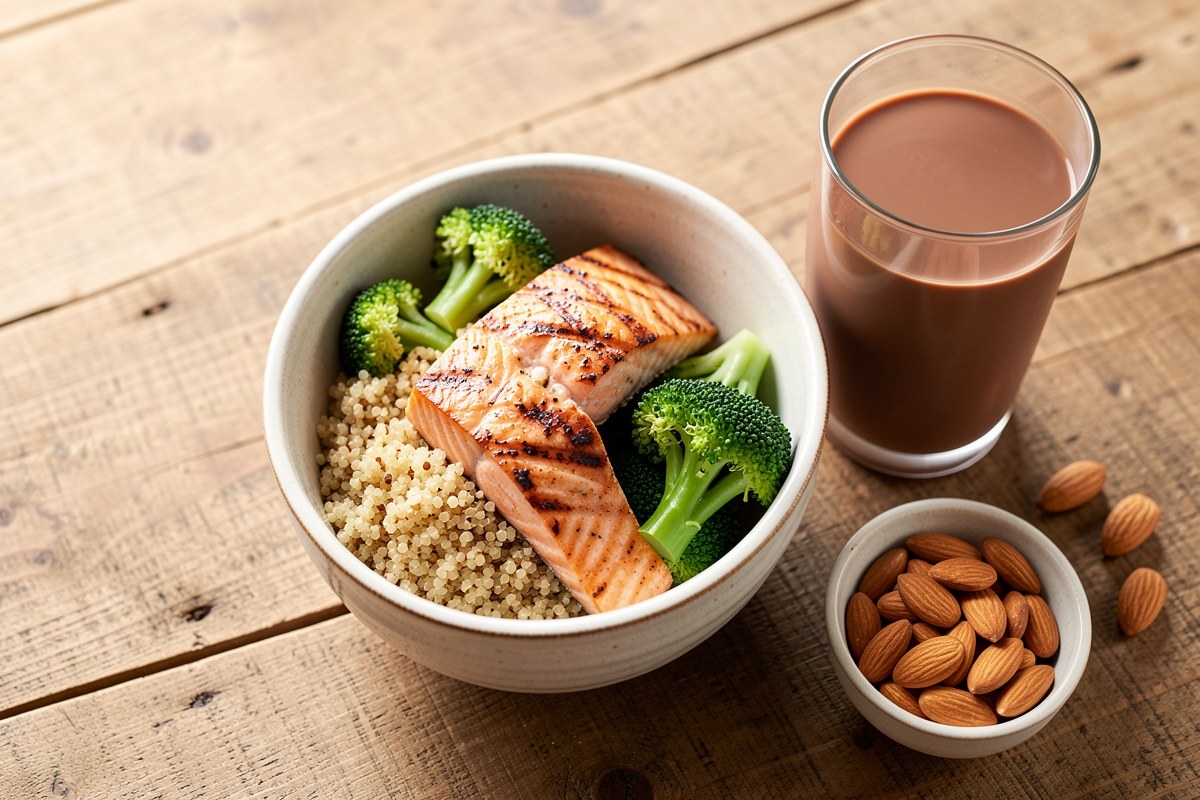
Key Nutrients: Protein, Carbohydrates, and Anti-Inflammatory Fats
Protein is the star player in muscle repair. It provides amino acids, the building blocks your muscle fibers use to rebuild. For most people, consuming 20–40 grams of high-quality protein after exercise is a solid target to support muscle repair and growth. You'll also benefit from including protein at each meal to keep your muscles supplied throughout the day.
Carbohydrates are equally important. They replenish your muscle glycogen stores—the fuel you used during training. If you exercise at high intensity and have 24 hours or more before your next session, aim for about 0.5 grams of carbohydrates per pound of body weight within two hours after your workout. This helps your muscles stock up for the next effort.
Anti-inflammatory fats, such as omega-3 fatty acids found in fish, nuts, and seeds, may also support recovery by helping manage inflammation and potentially reducing muscle soreness. While the evidence is promising, the best approach is to get these healthy fats from a balanced diet rather than relying on supplements.
Combining protein and carbohydrates after exercise can be a winning strategy. Protein supplies the repair materials, while carbs restock your energy stores. This pairing may also enhance glycogen replenishment, setting you up for better recovery.
- Protein: 20–40 grams of high-quality protein after exercise, and protein with each meal.
- Carbohydrates: about 0.5 grams per pound of body weight within 2 hours after intense training.
- Anti-inflammatory fats: include sources of omega-3s like fatty fish, walnuts, and flaxseeds.
Recovery meals: Before, during, and after exercise
The idea of a strict 'anabolic window' just minutes after exercise has been debated, and current research suggests that total daily protein intake matters more than a perfectly timed post-workout shake. However, that doesn't mean timing is irrelevant. Eating a well-balanced meal or snack in the hours after a hard workout is still a practical way to get the nutrients your body needs.
Before you exercise, it helps to start with adequate fuel. A meal containing carbohydrates and a little protein, eaten a few hours beforehand, can support your session and help you train harder. If that's not possible, a lighter snack closer to your workout can still provide energy without weighing you down.
During prolonged or intense sessions, keeping up with fluids and carbohydrates becomes more important. For workouts lasting longer than about an hour, taking in carbohydrates and fluids can sustain your effort and reduce the toll on your body. Pay attention to your thirst and energy levels.
The '3R' framework—Refuel, Repair, and Rehydrate—offers a simple structure for your post-exercise nutrition. Refuel with carbohydrates to replace glycogen, repair with protein to rebuild muscle, and rehydrate with fluids and electrolytes to replace what you lost through sweat.
A practical approach is to schedule your meals and snacks around your training times. For example, if you train in the late afternoon, you might plan a balanced dinner within an hour or two after finishing. If you're training twice a day, prioritize a carb-and-protein snack soon after the first session to kick-start recovery.
- Before exercise: eat a carbohydrate-based meal 2–3 hours prior, or a lighter snack closer to your workout.
- During exercise: for sessions longer than about 60–90 minutes, take in carbohydrates and fluids.
- After exercise: eat a recovery meal or snack within a few hours, not necessarily within 30 minutes.
- Use the 3Rs: Refuel with carbs, Repair with protein, Rehydrate with fluids and electrolytes.
Sources: Premier Science, National Academy of Sports Medicine (NASM), Memorial Hermann Health System
Meal Prep Strategies to Support Recovery
Meal prep is a game-changer for recovery nutrition because it takes the guesswork out of 'what should I eat now?' When you have pre-made, balanced meals on hand, you're more likely to choose foods that support your muscles rather than grabbing something convenient but lacking in necessary nutrients.
Start by planning your weekly training schedule. Identify the days when you have intense workouts that require extra attention to carbohydrate intake and protein. Then, batch-cook proteins like chicken breast, hard-boiled eggs, or lentils, and pre-portion carbohydrates like pasta, rice, or sweet potatoes. Store these in single-serving containers with a mix of vegetables for micronutrients and hydration support.
For busy athletes, prepping snacks is equally important. Portion out Greek yogurt cups, trail mix with nuts and seeds, or fruit and protein smoothie packs that can be blended quickly after a workout. This ensures you always have a recovery-friendly option ready.
- Prep proteins in bulk: grilled chicken, hard-boiled eggs, cooked beans, or tofu.
- Pre-cook carbohydrates such as rice, quinoa, or roasted potatoes.
- Portion out snacks like yogurt, nuts, or fruit for quick post-exercise options.
- Create a weekly meal plan that aligns with your training days.
Example Recovery Meals You Can Prep Ahead
Here are some meal ideas that combine protein, carbohydrates, and anti-inflammatory ingredients. These are perfect for meal prep and can be enjoyed after training.
For example, a simple recovery bowl could include grilled chicken (a protein source), quinoa (a carbohydrate), roasted vegetables, and a drizzle of olive oil for healthy fats. Or, a salmon rice bowl with broccoli and avocado provides omega-3s and carbs in one dish.
For a post-workout snack, Greek yogurt with berries and a sprinkle of granola or nuts offers protein and carbohydrates. Protein smoothies made with milk or yogurt, fruit, and nut butter are also easy to prepare in advance.
Vegetarian options include lentil soup with brown rice, or a tofu and vegetable stir-fry with noodles. These meals are balanced and can be made in large batches for several days.
Hydration and Its Role in Recovery
Rehydration is a critical, sometimes overlooked, component of recovery. When you sweat, you lose fluids and electrolytes that need replacing to maintain performance and well-being. A practical way to gauge your hydration is by checking your urine color—pale yellow typically indicates good hydration, while darker urine suggests you need more fluids.
A general recommendation is to drink 20–24 ounces of fluid for every pound of body weight lost during exercise. This helps rehydrate after intense sessions. Keep a water bottle handy and listen to your body's thirst cues.
Meal prep can also include hydrating foods. Many fruits and vegetables have a high water content, such as watermelon, cucumber, and oranges. Including these in your meals contributes to your overall fluid intake.
- Aim for 20–24 ounces of fluid per pound of lost body weight.
- Use urine color as a simple hydration check.
- Include hydrating foods like fruits and vegetables in your meal prep.
Sources: Memorial Hermann Health System
Supplements: What's Needed and What's Not
The supplement aisle is tempting, but the evidence suggests a 'food-first' approach is best for most active adults. A well-balanced diet that includes plenty of fruits and vegetables provides antioxidants and other nutrients in a form your body can use effectively. While individual antioxidant supplements might seem attractive, they are generally not recommended over whole foods.
Some supplements, including vitamin D, omega-3 fatty acids, creatine, and collagen combined with vitamin C, may support recovery based on emerging research. However, the evidence is not strong enough to make broad recommendations, and supplements should not replace a healthy diet.
If you're considering any supplement, talk with a qualified healthcare provider to discuss your specific needs and situation.
- Food-first: get nutrients from a balanced diet before turning to pills or powders.
- The best evidence for recovery comes from protein, carbs, and hydration from meals.
- Supplements like vitamin D, omega-3s, and creatine may play a role, but evidence is still emerging.
Common Recovery Nutrition Myths
There's no shortage of diet myths in the fitness world. One common misconception is that you must consume protein within 30 minutes of finishing your workout, or all your gains are lost. In reality, total daily protein intake—spread across meals—is more critical for recovery than hitting a precise 'anabolic window'.
Another myth is that you need to load up on antioxidants from supplements to reduce muscle damage. But a balanced diet with fruits and vegetables is usually sufficient. Eating a colorful variety provides a range of antioxidants that work together.
Some athletes also believe that they need to eat much more on training days than on rest days. While you do need more calories and carbohydrates to fuel a workout, your recovery needs are similar every day. Your nutrition plan should support consistent training and recovery throughout the week.
- Myth: You must eat protein in a tiny anabolic window. Truth: Daily protein totals matter more.
- Myth: Supplementing antioxidants is necessary. Truth: Whole foods provide antioxidants without overdoing it.
- Myth: Training days require drastically more food. Truth: Recovery needs are steady, even on rest days.
Sources: Premier Science
Frequently asked questions
What should I eat immediately after a workout?
While you don't need to eat within minutes, a snack or meal with protein and carbohydrates is helpful. For example, Greek yogurt with fruit, a turkey sandwich on whole-grain bread, or a protein shake with banana. Aim for 20–40 grams of protein and a serving of carbohydrates.
Sources: Premier Science, Memorial Hermann Health SystemHow soon after exercise should I eat a recovery meal?
Research no longer supports a strict 30-minute window. Instead, focus on getting a balanced meal or snack within a few hours after you finish exercising. The total amount of protein you eat throughout the day is more critical than the exact timing.
Sources: Premier ScienceCan meal prep help with muscle soreness?
Meal prep can support recovery, which may help with muscle soreness by ensuring you consume enough protein and anti-inflammatory foods. Regular, balanced meals supply the nutrients needed to manage inflammation and repair muscle tissue, potentially reducing soreness over time.
Sources: Premier ScienceWhat are the best foods for muscle recovery besides protein?
Carbohydrates are essential to replenish glycogen stores, so include whole grains, fruits, and starchy vegetables. Anti-inflammatory fats from fish, nuts, and olive oil also aid recovery. Don't forget fruits and vegetables for their antioxidants, which support overall health.
Sources: Premier Science, Memorial Hermann Health SystemDo I need to eat more on training days vs rest days?
While you burn extra calories during exercise, your recovery nutrition needs are fairly consistent every day. You may need slightly more carbohydrates on days with intense training to refuel, but protein and overall food intake should stay balanced. Focus on consistent eating habits rather than big swings.
Sources: Premier ScienceSources
- Nutritional Strategies for Muscle Recovery: Debunking Myths with Emerging Evidence — Premier Science
- Nutrition for Muscle Recovery: Strategies Personal Trainers Can Confidently Coach — National Academy of Sports Medicine (NASM)
- Selected In-Season Nutritional Strategies to Enhance Recovery for Team Sport Athletes: A Practical Overview — Sports Medicine (Springer) via PubMed Central
- Nutrition Tips for Recovery — Memorial Hermann Health System