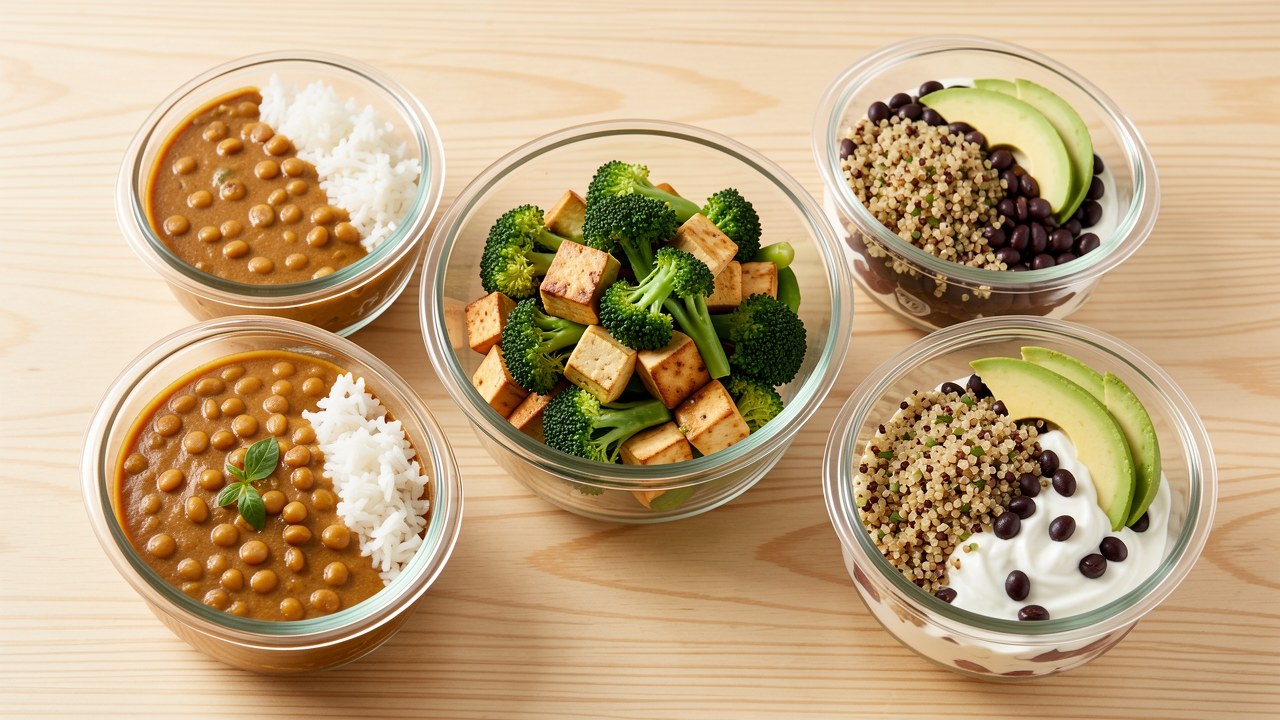
Why vegetarian meal prep works for athletes
For active adults and recreational athletes, a well-planned vegetarian diet can support both health and performance. Research shows that well-planned vegetarian diets are suitable for athletes and can meet their nutritional needs. Observational studies and short-term interventions have found no significant differences in strength, aerobic, or anaerobic performance between vegetarian and non-vegetarian athletes, meaning you can train and compete effectively while eating plant-based.
Meal prep is especially valuable for vegetarian athletes because it ensures you have balanced, protein-rich meals ready when you need them. By planning ahead, you can avoid last-minute convenience foods that may lack the nutrients your body requires for recovery and energy.
- A vegetarian diet can provide all the energy and nutrients needed for training when planned well.
- Performance is not compromised by a vegetarian diet; studies show comparable outcomes to omnivorous eating.
- Meal prep helps maintain consistent nutrient intake during busy training weeks.
Sources: Nutrients
Daily protein needs and plant sources
Protein is a key focus for any athlete, and vegetarian athletes may need to be slightly more mindful of their intake. Some research suggests that vegetarian athletes might consume less protein overall compared to omnivores, but this does not necessarily mean they fail to meet requirements if energy needs are met. A plant-based diet can provide adequate protein when it includes a variety of protein sources such as soy foods, legumes, nuts, seeds, and quinoa. For those who include dairy and eggs, these foods can further supplement protein intake.
Rather than focusing on a single number, aim to distribute protein throughout the day, including a source at each meal and snack. This approach supports muscle repair and growth, especially after workouts.
- Include a variety of plant proteins: soy (tofu, tempeh, edamame), lentils, chickpeas, black beans, peanuts, almonds, and quinoa.
- Dairy and eggs are excellent protein sources for lacto-ovo vegetarians.
- Pair legumes with grains (e.g., beans on toast) for complementary amino acids.
Sources: Nutrients
Key micronutrients to prioritize
Beyond protein, vegetarian athletes should pay attention to certain micronutrients. Vitamin B12 is not generally present in plant foods, making it a common nutrient of concern. To avoid deficiency, you can obtain B12 from fortified foods (such as some breakfast cereals and plant milks) or supplements. Some research indicates that vegetarian athletes may have lower intakes of B12 compared to omnivores, so regular monitoring is wise.
Iron is another critical mineral for athletes, especially for endurance. Include vitamin C-rich foods (like citrus, berries, or bell peppers) with iron-rich plant foods to enhance absorption.
- Vitamin B12: rely on fortified foods or supplements; check labels for cyanocobalamin.
- Iron: consume lentils, chickpeas, tofu, and fortified cereals; pair with vitamin C for better absorption.
- Zinc: found in beans, seeds, and whole grains; soaking or sprouting can improve absorption.
- Consider periodic blood tests to check ferritin and vitamin B12 levels.
Sources: Nutrients, Journal of the International Society of Sports Nutrition, Advances in Nutrition
Step-by-step weekly prep plan
A successful vegetarian meal prep routine doesn't happen by accident. Follow this step-by-step plan to build a week of meals that support your training and recovery.
Start by choosing a prep day, usually when you have a few free hours. Then, plan your meals around a balance of protein, complex carbohydrates, and healthy fats. You can build each meal using the 'plate method': fill half your plate with vegetables, a quarter with whole grains, and a quarter with protein-rich foods, plus a serving of fruit or dairy on the side.
- Plan your menu for the week, aiming for a variety of protein sources and colorful vegetables.
- Make a detailed grocery list based on your planned meals.
- Shop after planning, and consider buying some items in bulk, like grains and legumes.
- On prep day, cook grains in large batches (rice, quinoa, farro).
- Prepare proteins: roast or bake tofu, cook a pot of lentils, and hard-boil eggs (if used).
- Chop vegetables and store them in airtight containers; some vegetables like peppers and broccoli last well for several days.
- Portion out snacks: mix nuts, seeds, and dried fruit for trail mix; wash fruits.
- Assemble grab-and-go meals in containers, such as grain bowls with beans and roasted veggies.
- Store properly: use refrigerated containers for meals consumed within 3-4 days, and freeze longer-term portions.
Protein-focused vegetarian meal ideas
Here are some complete meal ideas that store well and deliver quality protein. These are practical combinations to inspire your prep, not strict recipes with exact measurements.
Adjust portion sizes based on your individual energy and protein needs. To meet your daily protein target, include a protein-rich element in every main meal.
- Tofu and vegetable stir-fry with brown rice: press and cube extra-firm tofu, marinate in soy sauce and ginger, then stir-fry with broccoli, bell peppers, and snap peas. Serve over cooked brown rice.
- Lentil and vegetable curry with quinoa: sauté onions, garlic, and curry paste; add red lentils, vegetable broth, and chopped tomatoes; simmer until lentils are tender; add greens like spinach at the end.
- Black bean and sweet potato bowls: roast sweet potatoes, combine with seasoned black beans, corn, and a lime-cilantro dressing.
- Greek yogurt parfaits (for lacto-ovo vegetarians): layer Greek yogurt with berries, granola, and a drizzle of honey.
Sample weekly plan
To visualize how to put it together, here is a simple five-day sample plan featuring the meal ideas above. Adjust portions to your needs, and drink water throughout the day.
| Day | Breakfast | Lunch | Dinner | Snacks |
|---|---|---|---|---|
| Monday | Greek yogurt parfait | Black bean and sweet potato bowl | Lentil curry with quinoa | Trail mix, fruit |
| Tuesday | Oatmeal with berries and chia seeds | Leftover lentil curry | Tofu stir-fry with brown rice | Hard-boiled egg, hummus with veggies |
| Wednesday | Greek yogurt parfait | Leftover tofu stir-fry | Black bean and sweet potato bowl | Apple with peanut butter |
| Thursday | Oatmeal with banana and walnuts | Lentil curry with quinoa | Tofu stir-fry with brown rice | Cottage cheese with pineapple |
| Friday | Greek yogurt parfait | Leftover black bean bowl | Lentil curry with quinoa | Hummus with whole-grain crackers |
Pantry Staples
Keeping a well-stocked pantry makes vegetarian meal prep more streamlined. Here are key ingredients to keep on hand:
These staples allow you to create varied meals without a last-minute trip to the store. Adjust quantities based on your household and training volume.
- Protein: tofu, tempeh, lentils (canned or dried), chickpeas, black beans, kidney beans, edamame, eggs, Greek yogurt, cottage cheese.
- Grains: brown rice, quinoa, oats, whole-wheat pasta, whole-grain bread.
- Vegetables: pre-washed leafy greens, broccoli, bell peppers, carrots, onions, garlic, sweet potatoes, tomatoes.
- Fruits: bananas, apples, berries (fresh or frozen), oranges.
- Nuts and seeds: almonds, walnuts, chia seeds, flaxseeds, peanut butter, sunflower seeds.
- Other: olive oil, vegetable broth, canned tomatoes, spices (cumin, paprika, turmeric), soy sauce, vinegar.
Frequently asked questions
What are the best plant-based protein sources for meal prep?
Soy foods (tofu, tempeh, edamame), legumes (lentils, chickpeas, black beans), peas, nuts, seeds, and quinoa are all excellent options. Including dairy and eggs adds additional high-quality protein for vegetarians. These foods are versatile for batch cooking and can be used in bowls, stir-fries, curries, and salads.
Sources: NutrientsHow can I ensure I get enough iron and B12 on a vegetarian athletic diet?
Vitamin B12 is not naturally found in plant foods, so rely on fortified foods (breakfast cereals, plant milks, nutritional yeast) or take a supplement. For iron, include plant sources like lentils, beans, tofu, and fortified cereals, and pair them with vitamin C-rich foods to boost absorption. Since athletes may be at higher risk for iron depletion, periodic blood tests are recommended to monitor your levels and guide dietary adjustments.
Sources: Nutrients, Journal of the International Society of Sports Nutrition, Advances in NutritionWhat are some quick vegetarian meal prep ideas for beginners?
Start with simple grain bowls: cook a batch of quinoa or brown rice, roast a pan of veggies, and pair with canned beans or baked tofu. You can also make a big pot of lentil soup or chili, then portion it into containers. Hard-boiled eggs (if you eat them) make for easy snacking. These meals are forgiving and easy to scale.
Does a vegetarian diet support muscle recovery and performance?
Yes. Studies show that well-planned vegetarian diets are adequate for athletes and do not impair strength, aerobic, or anaerobic performance compared with omnivorous diets. By meeting your energy and protein needs, you can support muscle recovery effectively. Focus on consuming a mix of plant proteins throughout the day and include protein after workouts.
Sources: NutrientsSources
- The VegPlate for Sports: A Plant-Based Food Guide for Athletes — Nutrients
- The Relationship between Vegetarian Diet and Sports Performance: A Systematic Review — Nutrients
- Vegan diets: practical advice for athletes and exercisers — Journal of the International Society of Sports Nutrition
- The Safe and Effective Use of Plant-Based Diets with Guidelines for Health Professionals — Nutrients
- Nutritional Considerations for the Vegan Athlete — Advances in Nutrition