Why Dinner Prep Matters for Athletes
After a day of training, work, and family, the last thing you want is to stare into the fridge wondering what to eat. Meal prepping your dinners ahead of time ensures you have a nutritious, balanced meal ready when hunger strikes. For athletes, this is especially important because dinner often becomes the meal that replenishes energy stores and supports muscle repair overnight.
By setting aside 1–2 times per week to cook in bulk, you can simplify your week and avoid last-minute convenience choices that may not align with your performance goals. Cooking a large batch of protein at the start of the week and mixing it with different grains, vegetables, and sauces gives you variety without extra cooking time.
Planning your dinners also helps you control portions and ingredients, making it easier to meet your specific macronutrient needs, whether you're training for endurance, strength, or general fitness.
- Provides consistent nutrition on busy training days.
- Reduces decision fatigue and impulse eating.
- Allows you to batch cook and portion for the week.
- Supports better adherence to your nutrition plan.
Sources: BeFueled Sports Nutrition
Keys to a Balanced Athlete Dinner
A balanced dinner for an athlete should combine protein, carbohydrates, and vegetables, along with healthy fats. After training, pairing protein with carbohydrates helps replenish energy stores and supports muscle repair. This doesn't mean every dinner has to be elaborate—simple combinations can be just as effective.
An easy framework for creating a balanced dinner bowl is to think of it as "one grain, one protein, one veggie, one sauce." For example, a base of rice or quinoa, topped with grilled chicken or salmon, roasted broccoli, and a drizzle of your favorite sauce creates a satisfying and nutrient-dense meal. This approach is flexible and allows you to mix and match based on what you have on hand.
Here are some key components to include:
- Protein: lean meats like chicken breast or ground turkey, fish such as salmon, beans, lentils, or Greek yogurt.
- Carbohydrates: whole grains such as brown rice, quinoa, or whole wheat pasta; starchy vegetables like sweet potatoes; or legumes like black beans.
- Vegetables: a colorful variety like broccoli, bell peppers, spinach, or zucchini for vitamins, minerals, and fiber.
- Healthy fats: olive oil, avocado, nuts, or seeds to support hormone function and reduce inflammation.
Sources: BeFueled Sports Nutrition
Sheet-Pan and One-Pan Dinner Ideas
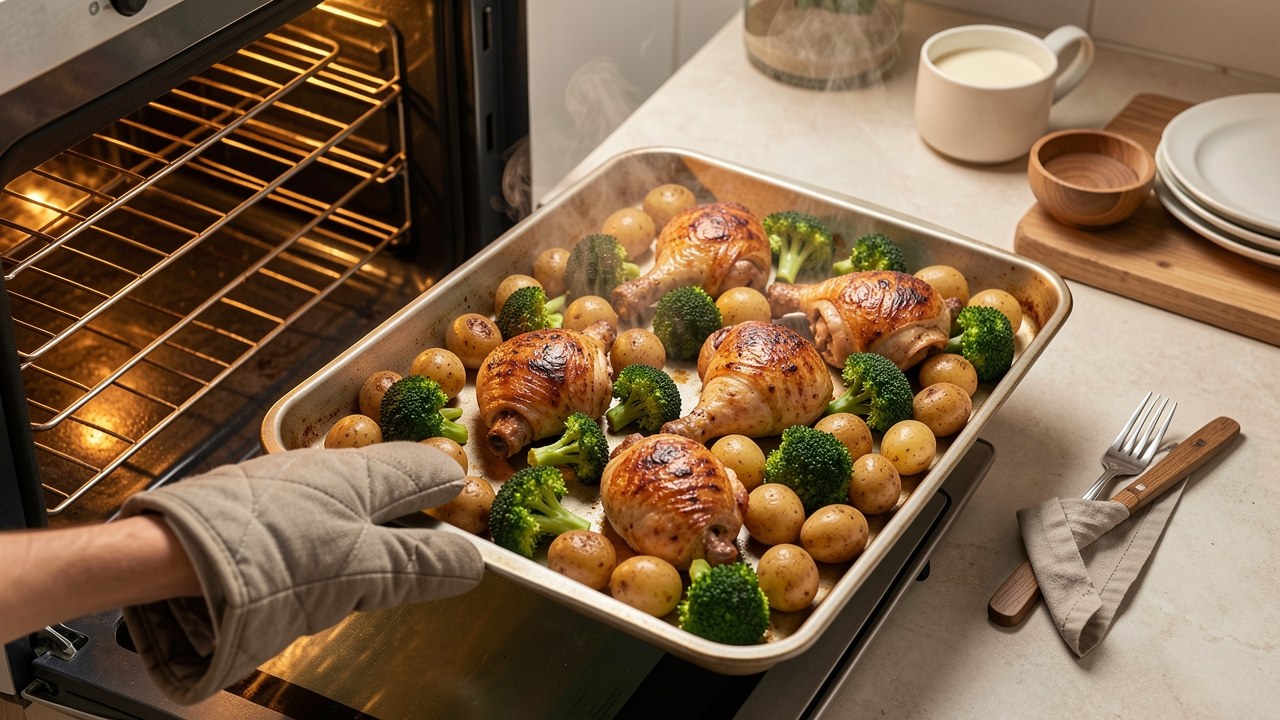
Sheet-pan meals are a busy athlete's dream: minimal cleanup, easy scaling, and balanced nutrition. The method is simple—roast a protein and vegetables together on one pan with a little olive oil and seasonings. For example, you can roast chicken or salmon with sweet potato and broccoli on a sheet pan for a complete meal.
One-pan cooking also works on the stovetop. A stir-fry is a classic one-pan dinner that can be made ahead. Cook a large batch of rice at the start of the week, then quickly stir-fry your protein of choice with vegetables. Serve the stir-fry over the pre-cooked rice for a fast meal that packs easily.
Here are some sheet-pan and one-pan meal ideas to try:
- Sheet-Pan Chicken and Sweet Potato Bowls: Batch-cook chicken thighs or breasts with cubed sweet potato and a vegetable like broccoli. Store in containers and pair with different sauces throughout the week.
- Sheet-Pan Salmon with Roasted Vegetables: Place salmon fillets on a pan with asparagus or green beans and cherry tomatoes. Serve with quinoa or rice for a nutrient-dense dinner.
- Stir-Fry with Pre-Cooked Rice: Use pre-cooked rice as a base and stir-fry thinly sliced beef, chicken, or tofu with bell peppers, snap peas, and carrots. Add a sauce of your choice.
- One-Pan Pasta with Ground Turkey: Cook ground turkey in a large skillet, add marinara sauce and cooked pasta, and top with cheese. This is a high-carb dinner that heats well for lunch or dinner.
Sources: BeFueled Sports Nutrition
Protein-Rich Casseroles
Casseroles are excellent for feeding a crowd or stocking your freezer. They are easy to portion and reheat, and they often combine protein, vegetables, and carbs in one dish. One notable option is a chili spaghetti squash casserole that combines ground beef, black beans, fire-roasted tomatoes, bell peppers, onions, and spices, all topped with cheese. This dish yields 8 servings, and each serving provides about 31 grams of protein.
Another favorite is a beef burrito casserole, which layers seasoned ground beef with vegetables, rice, and beans, then tops it with cheese. This high-protein, gluten-free dish is designed with meal prep in mind.
When making casseroles, be mindful of portion sizes and consider pairing them with a side salad to add extra vegetables if you're looking to increase your veggie intake.
- Chili Spaghetti Squash Casserole: Ground beef, black beans, tomatoes, peppers, onions, and spices, topped with cheese. Approximately 31g protein per serving.
- Beef Burrito Casserole: Seasoned beef, rice, beans, and cheese—a hearty, high-protein option.
- Chicken and Rice Casserole: Shredded chicken, brown rice, and a creamy sauce with broccoli, topped with cheese or breadcrumbs.
Sources: Eat the Gains
Grain Bowls and Stir-Fries
Grain bowls are a simple, customizable meal prep solution. Start with a base of rice, quinoa, or another whole grain, add a protein source, and pile on vegetables. A simple formula to remember is "one grain, one protein, one veggie, one sauce." This allows you to mix and match ingredients to keep meals interesting throughout the week.
Stir-fries are another quick option that works well for batch cooking. Pre-cook a large batch of rice at the beginning of the week, then when you're ready to eat, simply stir-fry sliced protein and vegetables in a hot pan with a little oil. You can portion the stir-fry into containers and reheat throughout the week.
Here are some grain bowl and stir-fry ideas:
- Chicken and Sweet Potato Bowls: Batch-cooked chicken, roasted sweet potato, and your choice of vegetables. Customize with different sauces like teriyaki or pesto.
- Salmon Quinoa Bowls: Serve cooked salmon with quinoa and a mix of roasted or raw vegetables. Drizzle with olive oil and lemon for healthy fats.
- Taco Bowls: Seasoned ground turkey or beef with rice and black beans. Set up a build-your-own bowl bar with salsa, avocado, and shredded lettuce.
- Vegetable Stir-Fry with Tofu or Chicken: Use pre-cooked rice as a base and stir-fry a colorful mix of broccoli, bell peppers, carrots, and snap peas. Add a savory sauce like soy-ginger or garlic-lime.
Sources: BeFueled Sports Nutrition
Slow Cooker Meals for Busy Training Days
Slow cookers are a lifesaver on days when you're training late or simply need dinner ready when you walk in the door. Many slow cooker recipes are inherently meal-prep friendly and can be made in large batches.
Some athlete-friendly slow cooker options include slow cooker apricot chicken thighs, slow cooker BBQ chicken rice bowls, and slow cooker beef and broccoli. These dishes combine protein and carbohydrates in a convenient, hands-off way.
When using a slow cooker for meal prep, it's best to cook in bulk and portion into individual containers for the week. You can also freeze portions for later use. Remember to cool food quickly before refrigerating or freezing to maintain safety and quality.
- Slow Cooker Apricot Chicken Thighs: Chicken thighs cooked in a sweet and tangy apricot glaze—serve over rice or quinoa.
- Slow Cooker BBQ Chicken Rice Bowls: Shredded chicken in BBQ sauce over rice with a side of steamed vegetables.
- Slow Cooker Beef and Broccoli: Tender beef and broccoli florets in a savory ginger-garlic sauce—serve with rice.
Sources: Athlete Lunchbox
Freezing and Reheating Instructions
Proper freezing and reheating are key to making meal prep work safely and deliciously. Many dishes can be frozen if stored in airtight containers or freezer bags. To maintain quality, cool cooked food completely before freezing to prevent ice crystals and texture changes.
When reheating, ensure food is steaming hot throughout. For best results, thaw frozen meals in the refrigerator overnight before reheating in the microwave or oven.
Some meals freeze better than others. Saucy dishes like chili, soups, and casseroles freeze exceptionally well. Rice and pasta dishes can be frozen but may soften slightly; adding a splash of water when reheating can help restore moisture.
To prevent vegetables from becoming mushy, it's often best to slightly undercook them if you plan to freeze the meal. For example, in casseroles, vegetables like broccoli or bell peppers can be roasted just until crisp-tender before freezing. When reheating, avoid overcooking—use short bursts in the microwave or reheat in a hot oven just until warmed through.
- Freeze portions in airtight containers for best quality.
- Label containers with the date and dish name to keep track of what's in your freezer.
- Cool food completely before freezing to maintain texture.
- Reheat leftovers until steaming hot throughout.
- To keep vegetables from turning mushy, slightly undercook them before freezing and reheat gently.
Sources: Athlete Lunchbox
20 Balanced Meal Ideas to Get You Started
To help you visualize the range of possibilities, here are 20 healthy dinner meal prep ideas that align with the categories above. Each combines protein, complex carbohydrates, and vegetables to support your active lifestyle. Remember to adjust portions to your individual energy needs.
- 1. Sheet-Pan Chicken Thighs with Sweet Potato and Broccoli
- 2. Sheet-Pan Salmon with Asparagus and Quinoa
- 3. Stir-Fried Beef with Broccoli and Pre-Cooked Rice
- 4. Turkey and Vegetable Stir-Fry with Noodles
- 5. Pasta with Ground Turkey and Marinara
- 6. Zucchini Noodle and Turkey Meatball Bake
- 7. Chili Spaghetti Squash Casserole
- 8. Beef Burrito Casserole
- 9. Chicken and Brown Rice Casserole with Broccoli
- 10. Taco Bowls with Ground Turkey, Rice, and Black Beans
- 11. Chicken and Sweet Potato Bowls with Pesto
- 12. Salmon Quinoa Bowls with Roasted Vegetables
- 13. Grain Bowls with Chickpeas, Roasted Vegetables, and Tahini Dressing
- 14. Chicken Burrito Bowls with Cilantro Lime Rice
- 15. Slow Cooker Apricot Chicken Thighs with Rice
- 16. Slow Cooker BBQ Chicken Rice Bowls
- 17. Slow Cooker Beef and Broccoli with Rice
- 18. One-Pot Chicken and Vegetable Quinoa
- 19. Shrimp and Vegetable Stir-Fry with Brown Rice
- 20. Lentil and Vegetable Curry with Rice or Quinoa
Sources: BeFueled Sports Nutrition, Eat the Gains, Athlete Lunchbox
Frequently asked questions
What are the best dinners to batch cook for a week?
The best options are meals that reheat well, like casseroles, stir-fries, and grain bowls. For example, sheet-pan chicken with sweet potato and broccoli, taco bowls, and chili spaghetti squash casserole are all excellent make-ahead choices. They combine protein, carbohydrates, and vegetables and can be portioned into containers for easy grab-and-go dinners.
Sources: BeFueled Sports Nutrition, Eat the GainsCan you freeze cooked meals? How long do they last?
Yes, most cooked meals can be frozen if stored properly in airtight containers or freezer bags. To maintain quality, cool food completely before freezing. When you're ready to eat, thaw overnight in the refrigerator and reheat until steaming hot throughout for safety.
Sources: Athlete LunchboxHow do you keep vegetables from becoming mushy when reheated?
The key is to slightly undercook vegetables if you plan to freeze the meal. For example, roast broccoli just until crisp-tender before assembling a casserole. When reheating, avoid high heat for long periods—use short intervals in the microwave or a moderate oven, and stop as soon as the dish is hot throughout.
Sources: Athlete LunchboxWhat are some high-carb dinner ideas for endurance athletes?
Endurance athletes need ample carbohydrates to refuel glycogen stores. Pasta with ground turkey and marinara is a classic high-carb dinner that can be scaled up and reheated. Other options include rice-based dishes like chicken and sweet potato bowls, taco bowls with rice and beans, or grain bowls centered on quinoa. Aim to include a generous portion of carbohydrates along with protein to support recovery.
Sources: BeFueled Sports NutritionSources
- Easy + Healthy Meal Prep for Athletes — BeFueled Sports Nutrition
- Healthy High Protein Meal Prep Recipes — Eat the Gains
- Athlete Lunchbox: Meal Prep and Easy Recipes — Athlete Lunchbox