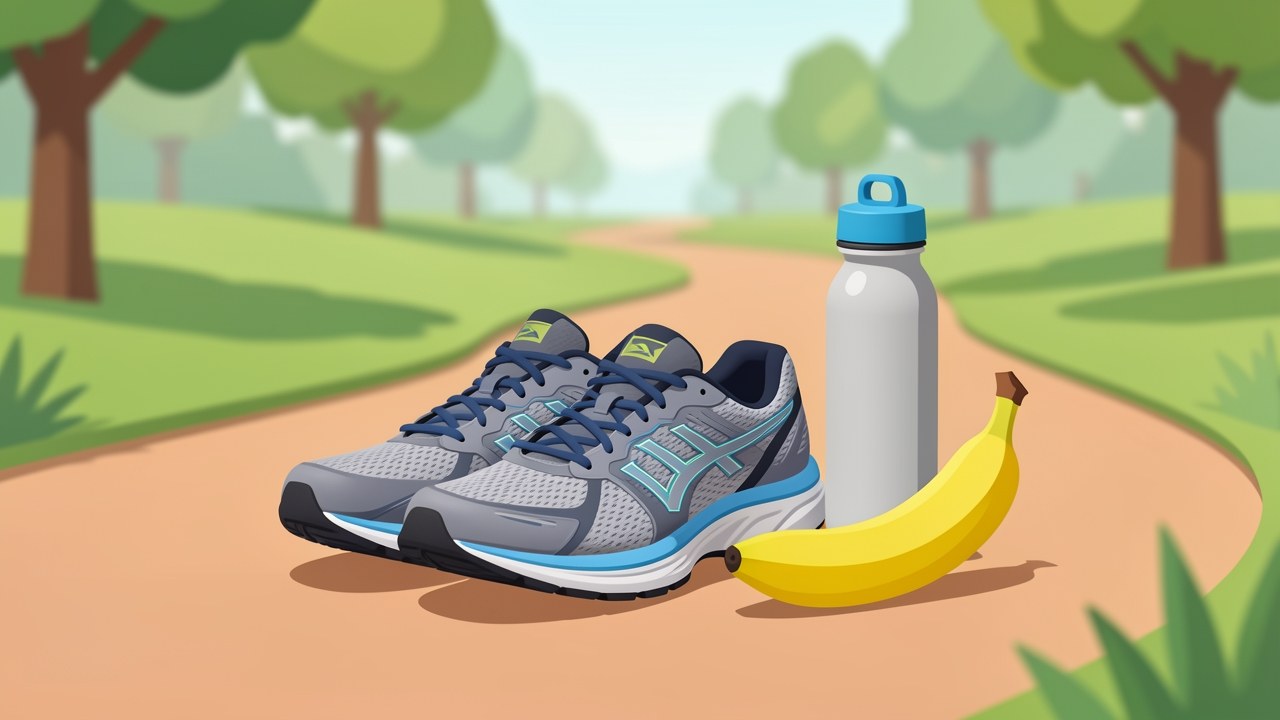
Understanding Runner Nutrition: Carbs, Protein, and Fat
Runners have unique nutritional needs because of the high energy demands of training. A balanced diet that emphasizes carbohydrates, includes adequate protein, and provides healthy fats helps you perform and recover well.
For endurance training, experts often recommend a macronutrient split of approximately 60% carbohydrate, 15% protein, and 25% fat. This split supports steady energy during runs and efficient recovery afterward.
- Carbohydrates are your body’s preferred fuel for endurance exercise. They are stored as glycogen in muscles and the liver, which your body taps into during runs.
- Protein is essential for repairing and rebuilding muscle tissue that breaks down during training.
- Fats provide energy for longer, lower-intensity activities and support overall health.
Sources: Journal of the International Society of Sports Nutrition
Meal Prep for Long-Run Weekends
Long runs are the backbone of many training plans, and your meals in the days before can make a big difference. For runners logging heavy training, such as 2–3 hours per day, 5–6 days per week, carbohydrate needs are higher—typically about 5–8 grams per kilogram of body weight each day. If you're running longer distances or at a faster pace, you may need up to 7–10 grams per kilogram.
To meet these goals, plan make-ahead meals centered on carbohydrate-rich whole foods. Cooked rice, oats, potatoes, and lentils are excellent, easily digestible sources to include in your weekend prep. These foods provide the glycogen stores you'll rely on during your long runs.
- Batch-cook a pot of rice or quinoa and use it as a base for several meals.
- Roast a tray of potatoes or sweet potatoes early in the week—reheat quickly before a run.
- Prepare overnight oats or a big pot of oatmeal for two or three mornings before your long run.
Sources: Journal of the International Society of Sports Nutrition, Nutrients (MDPI)
Easy Carb-Rich Dinners and Bowls
A dinner rich in carbohydrates the night before a long run helps fill your glycogen stores. Research suggests that a pre-exercise meal containing rice may improve running performance over a 21 km distance compared with a non-carbohydrate meal. So, plan a simple bowl of rice with a protein source and vegetables for a satisfying pre-run dinner.
Create easy, build-your-own bowls using foods you can prep in advance. For example, cook a batch of brown rice or pasta, grill some chicken or tofu, and chop raw veggies. Store each component separately so you can assemble quick dinners all week.
- Use a rice cooker or an Instant Pot to make grain prep hands-off.
- Cook extra protein at dinner and use leftovers for lunch bowls.
- Add lentils or beans to grain dishes for a protein-fiber boost.
Sources: Nutrients (MDPI)
Portable High-Energy Snacks for Running Days
For runs lasting longer than 90 minutes, taking in carbohydrate during the workout helps maintain blood glucose and spare glycogen. Food-first options are convenient and easy to transport for these longer efforts.
Raisins, bananas, and honey are especially portable and quick to eat mid-run. You can portion them into small containers or wrappers as part of your meal prep. Another strategy is to make your own energy bites with oats, nut butter, and honey—these travel well and are simple to prepare in batches.
- Pack small bags of raisins or a banana for runs over 90 minutes.
- Make honey-sweetened energy balls with oats for a homemade portable fuel.
- Freeze diluted fruit juice into ice pops for a cool, energy-replenishing snack on hot runs.
Sources: Nutrients (MDPI), Journal of the International Society of Sports Nutrition
Recovery Meals After a Hard Run
After a demanding run, your body needs protein to repair muscles and carbohydrate to replenish glycogen stores. A recovery meal that combines both is a practical approach: for example, 80–96 grams of carbohydrate along with protein from meat, poultry, or fish can support recovery.
Aim to eat within 30–60 minutes after finishing your run to take advantage of the post-exercise window when your muscles are most receptive to nutrient uptake. For meal prep, keep ready-made components such as cooked chicken breast, hard-boiled eggs, or a batch of quinoa salad in the fridge.
- A simple recovery meal: a chicken and rice bowl with veggies.
- A smoothie made with milk, banana, and protein powder is quick and easy.
- Prepare individual containers of Greek yogurt with berries and granola for grab-and-go recovery.
Sources: Journal of the International Society of Sports Nutrition, Sports Medicine (Springer)
Hydration Strategies for Runners
Proper hydration is a core part of runner nutrition. Drink about 16 ounces (2 cups) of water 2 hours before a workout to start well-hydrated. During exercise, sip about 1/2 to 1 cup of fluid every 15–20 minutes; plain water is best for the first hour, and a sports drink can help replace electrolytes after that.
Weighing yourself before and after a run helps you estimate how much fluid you lose through sweat—for every pound lost, plan to drink 16–24 ounces of fluid within the next 6 hours. Including hydrating foods like cucumber or watermelon in your meal prep adds both fluid and nutrients.
- Use a marked water bottle to track your intake.
- Add sliced cucumber or watermelon to your lunch container.
- Consider an electrolyte drink during longer runs if needed.
Sources: U.S. National Library of Medicine, National Institutes of Health (NIH) Wellness
Sample One-Week Running Meal Prep Plan
Here is a sample meal prep plan to illustrate how to structure your week. It focuses on high-carbohydrate dinners, portable snacks, and recovery meals, all designed to support moderate training (for example, 5–6 runs per week). Adjust portions to your own appetite and training load. Remember that your carbohydrate needs will be higher on days you do speed work or a long run.
| Day | Breakfast | Lunch | Dinner | Snack Options |
|---|---|---|---|---|
| Monday | Overnight oats with berries and honey | Quinoa bowl with black beans, corn, and avocado | Chicken and rice with steamed broccoli | Banana and peanut butter |
| Tuesday | Greek yogurt with granola and kiwi | Turkey and cheese wrap with baby carrots | Whole-wheat pasta with marinara and turkey meatballs | Raisins and almonds |
| Wednesday | Whole-grain toast with almond butter and banana slices | Leftover pasta and meatballs | Brown rice stir-fry with tofu and mixed vegetables | Energy bite made with oats and honey |
| Thursday | Overnight oats with peaches and cinnamon | Hummus and veggie wrap with pretzels | Baked potato with chili and cheddar | Cottage cheese with pineapple |
| Friday | Vegetable omelet with whole-grain toast | Leftover chili-stuffed potato | Grilled salmon with roasted sweet potatoes and green beans | Apple slices with sunflower butter |
| Saturday | Pancakes with maple syrup and strawberries | Quinoa salad with chickpeas, cucumber, and feta | Beef burrito bowls with rice, peppers, and onions | Watermelon slices and a small handful of pretzels |
| Sunday | French toast with powdered sugar and berries | Turkey and avocado wrap with raw veggies | Shrimp and vegetable fried rice | Honey and banana on rice cakes |
Sources: Nutrients (MDPI), Journal of the International Society of Sports Nutrition, Sports Medicine (Springer)
Frequently asked questions
What should runners eat the night before a long run?
Choose a meal that is high in carbohydrates and moderate in protein and fat, such as rice with chicken and vegetables, or pasta with a tomato-based sauce. Research suggests that a meal containing rice may help your running performance the next day. Keep portions comfortable and eat a few hours before bedtime to allow for digestion.
Sources: Nutrients (MDPI)What are the best foods to prep for race day?
On race day, stick to foods you know digest well. For a pre-race meal 2–3 hours before, choose simple carbohydrate foods like a banana, a bagel with honey, or a bowl of oatmeal. During the race itself, if you’ll be running longer than 90 minutes, portable options like raisins, bananas, or honey packets work well. Prep these in advance—for instance, fill small pouches with raisins or honey. Remember to practice your race-day fueling during training so you know what agrees with you.
Sources: Nutrients (MDPI), Journal of the International Society of Sports NutritionHow soon after a run should you eat a recovery meal?
Aim to eat a recovery meal or snack within 30–60 minutes after finishing your run. This window helps your body start repairing muscle and replenishing glycogen stores. Combine protein and carbohydrates—for example, a chicken and rice bowl, a turkey sandwich on whole-grain bread, or a smoothie made with milk and fruit.
Sources: Journal of the International Society of Sports Nutrition, Sports Medicine (Springer)Can meal prep help with avoiding stomach issues during runs?
Meal prep can help you control what you eat and when. By choosing familiar, easily digestible carbohydrate foods like rice or bananas and avoiding heavy meals close to exercise, you may reduce the risk of stomach upset during runs. It is important to experiment with different foods during training runs to learn what works best for you.
Sources: Nutrients (MDPI)Sources
- International Society of Sports Nutrition Position Stand: nutritional considerations for single-stage ultra-marathon training and racing — Journal of the International Society of Sports Nutrition
- Nutrition and athletic performance: MedlinePlus Medical Encyclopedia — U.S. National Library of Medicine
- Carbohydrates and Endurance Exercise: A Narrative Review of a Food First Approach — Nutrients (MDPI)
- Wellness Workshop: Nutrition & Meal Prep for the Whole Family — National Institutes of Health (NIH) Wellness
- International society of sports nutrition position stand: nutrient timing — Journal of the International Society of Sports Nutrition
- Selected In-Season Nutritional Strategies to Enhance Recovery for Team Sport Athletes: A Practical Overview — Sports Medicine (Springer)